
Media
Driving Activation with a Simplified Account Creation Flow
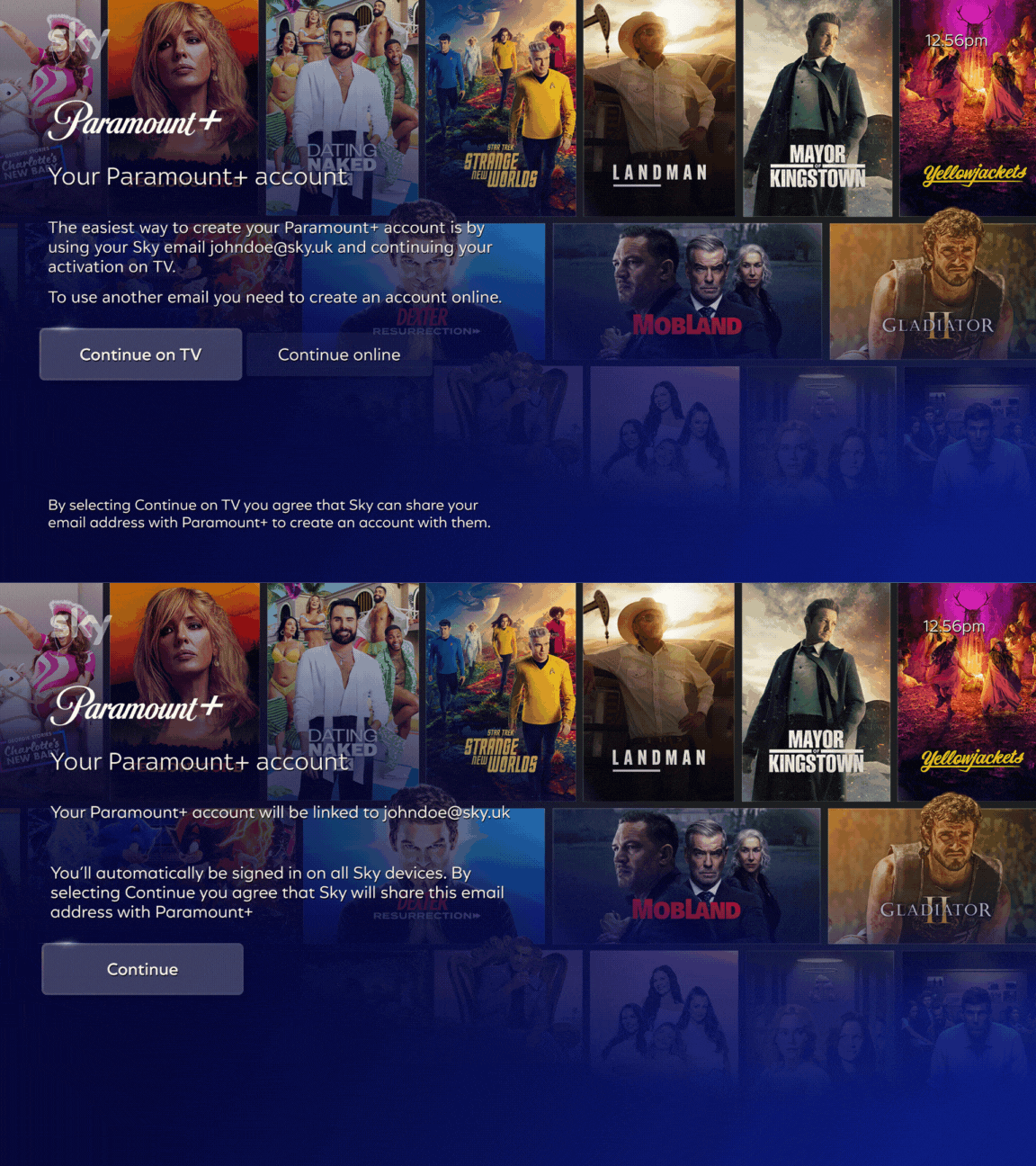

Customer problems
Friction: Account creation spans multiple platforms (TV and Web) disrupting flow.
TV Input Pain: Existing research also revealed that entering details via the TV keyboard was often described as “painful and long.”
Business Goals
Increase activation rate: 39% of new Paramount+ customers activate on the day of purchase.
Scalable Solution: Design to onboard new partners through an agnostic approach.
Scope & Constraints
Prospect and resubscribing Paramount+ customers
Existing templates to support an agnostic solution
Impact & Success Metrics
8 weeks post-launch
• Lasting impact was a solution designed to scale seamlessly across our Commerce journeys for other App partners.
14%
47.8%
2.8%
The Process
Understanding the current experience
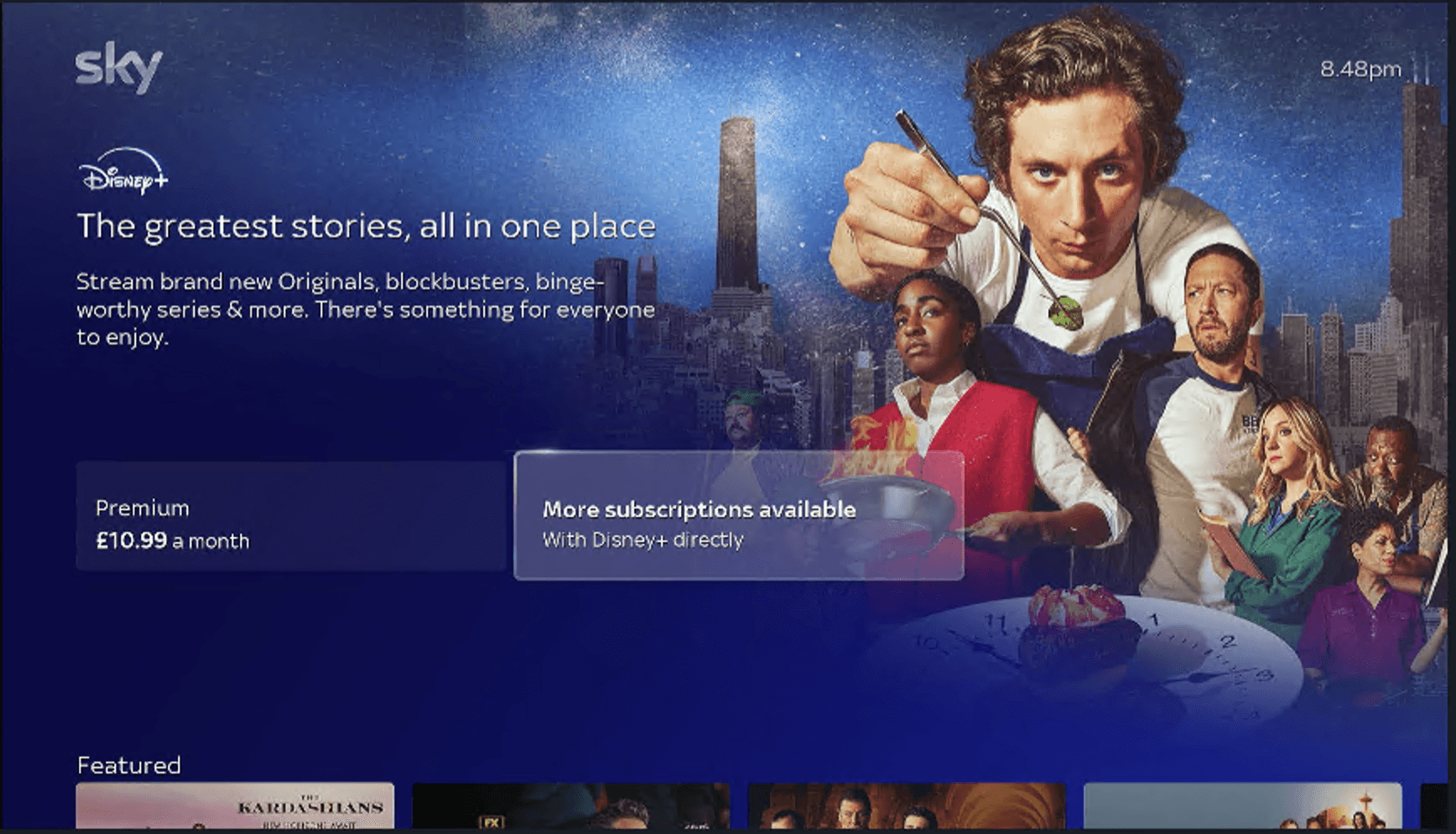
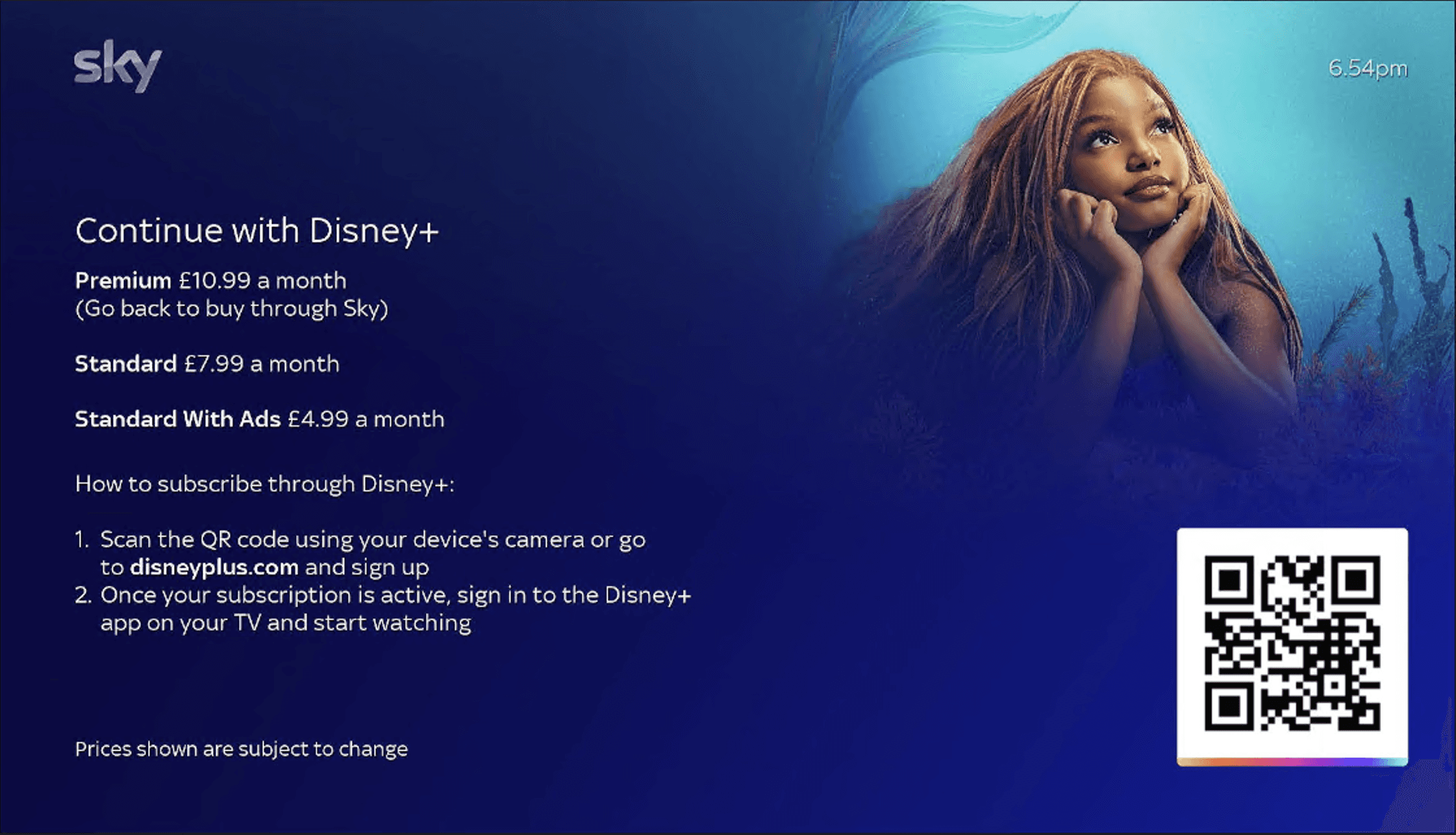
Joining mid-project, I evaluated the current journey and found a key pain point: customers couldn’t compare all price points on TV, reducing purchase confidence.
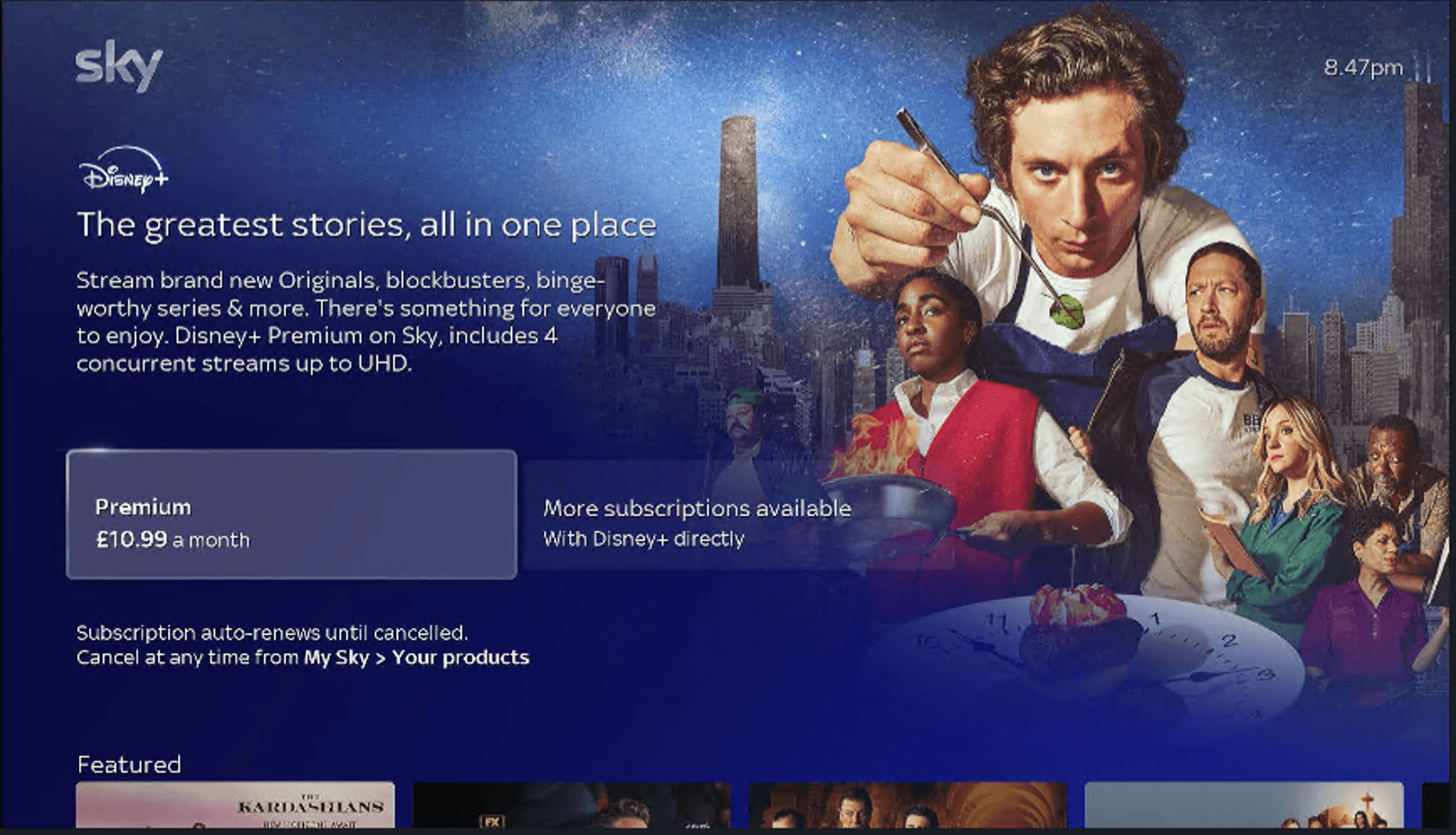
Customers could see alternative prices or tiers, but had to leave the TV and scan a QR code to compare and/or select. This creates friction and disrupts the purchase flow.
Reviewing existing work & identifying opportunities
I reviewed the previous designer’s research, design decisions, and journey logic to ensure continuity. From there, I identified opportunities to refine and strengthen the experience.
UX Copy Refinement: Rethinking the 'Active' tag
Prospect customers saw tiers listed in ascending order.
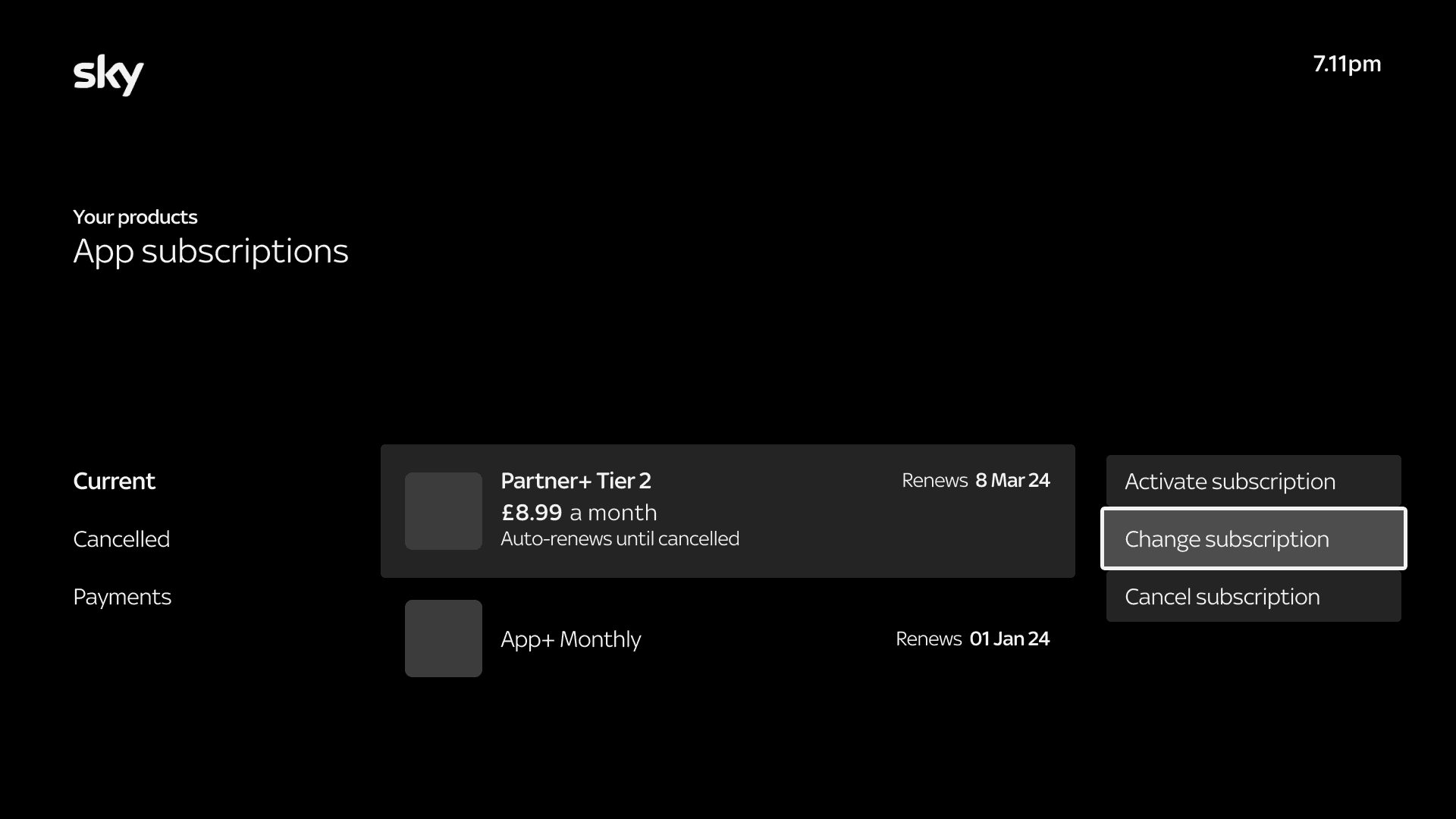
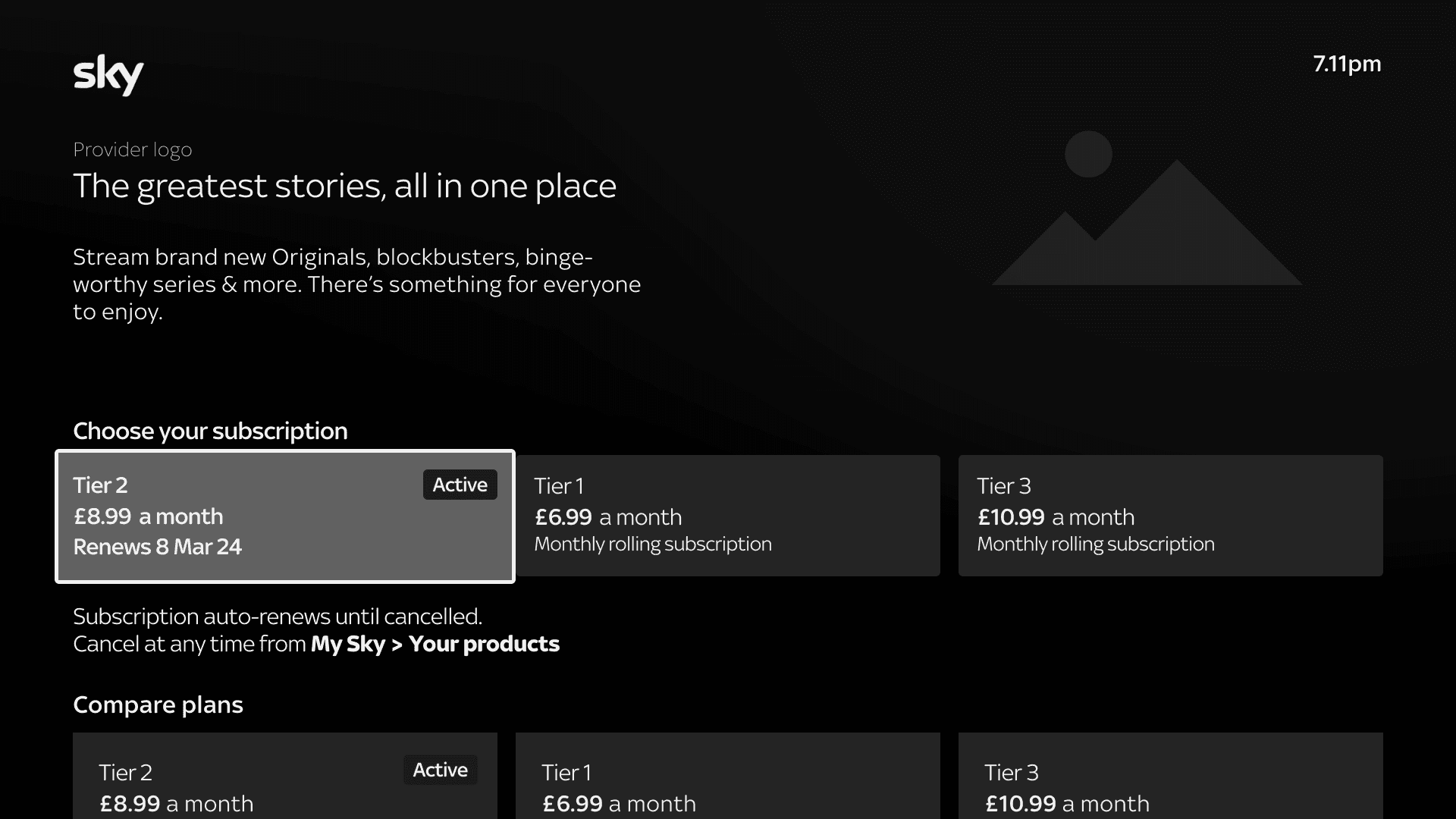
Existing customers saw their plans marked as "Active"
🔍Insight
The "Active" badge risked confusing customers who hadn't yet activated their subscription, especially when trying to change their subscription via the Subscription management. An area where expectations around subscription status clarity would be higher.
✅Action
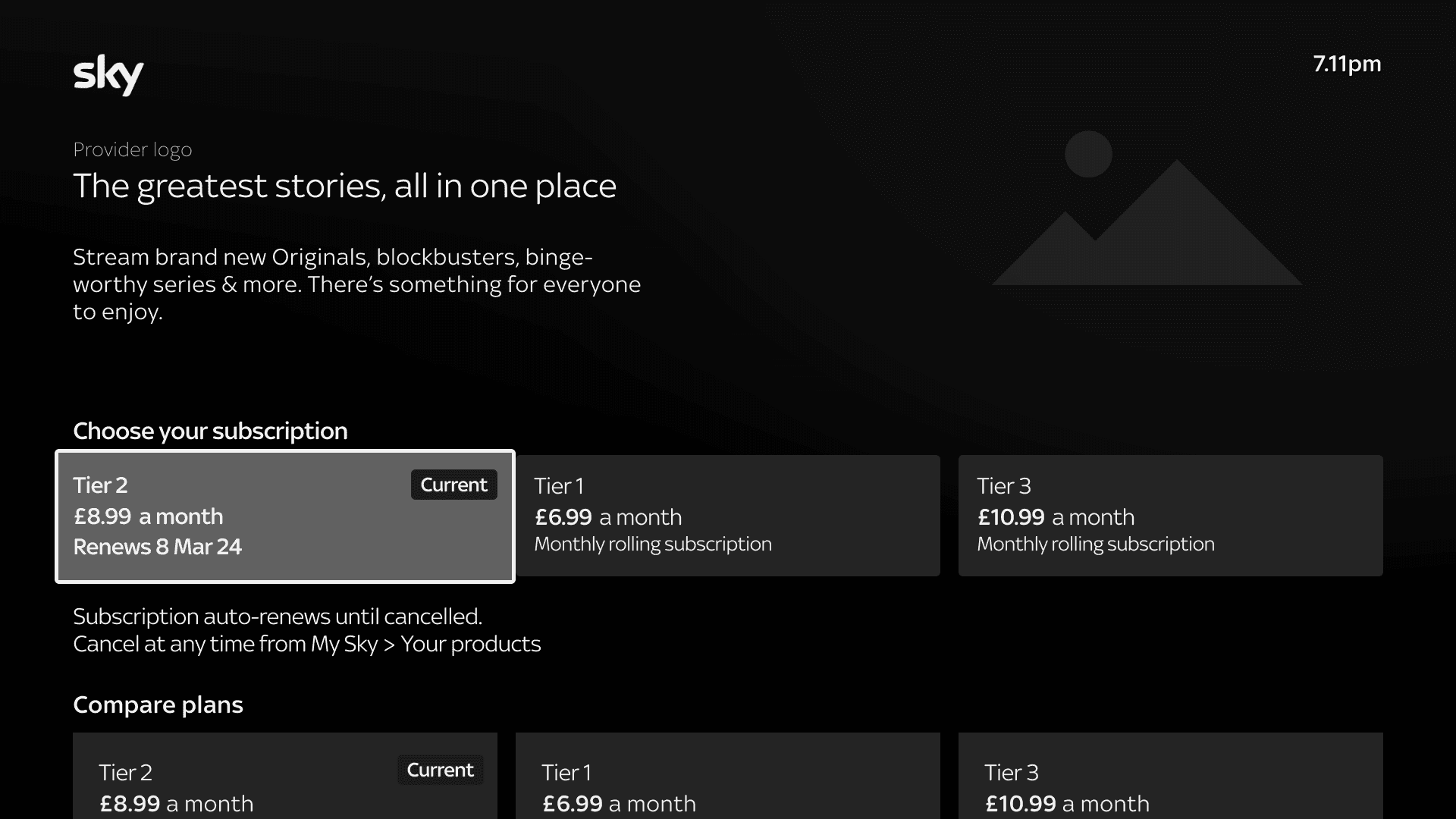
I proposed renaming the badge to "Current" to improve clarity (Consistency & Standards).
Interaction Design Constraint: Dual-rail selection
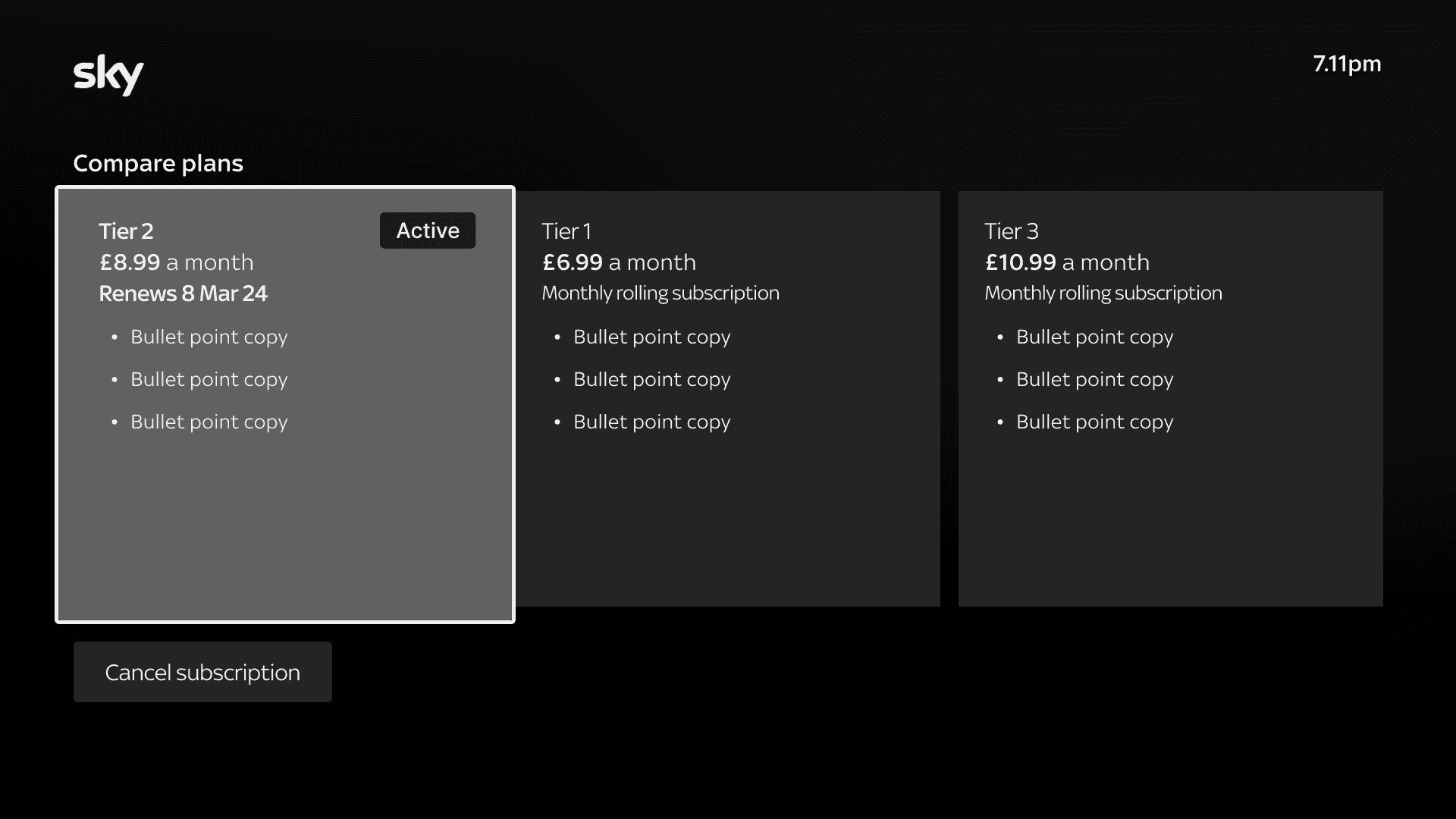
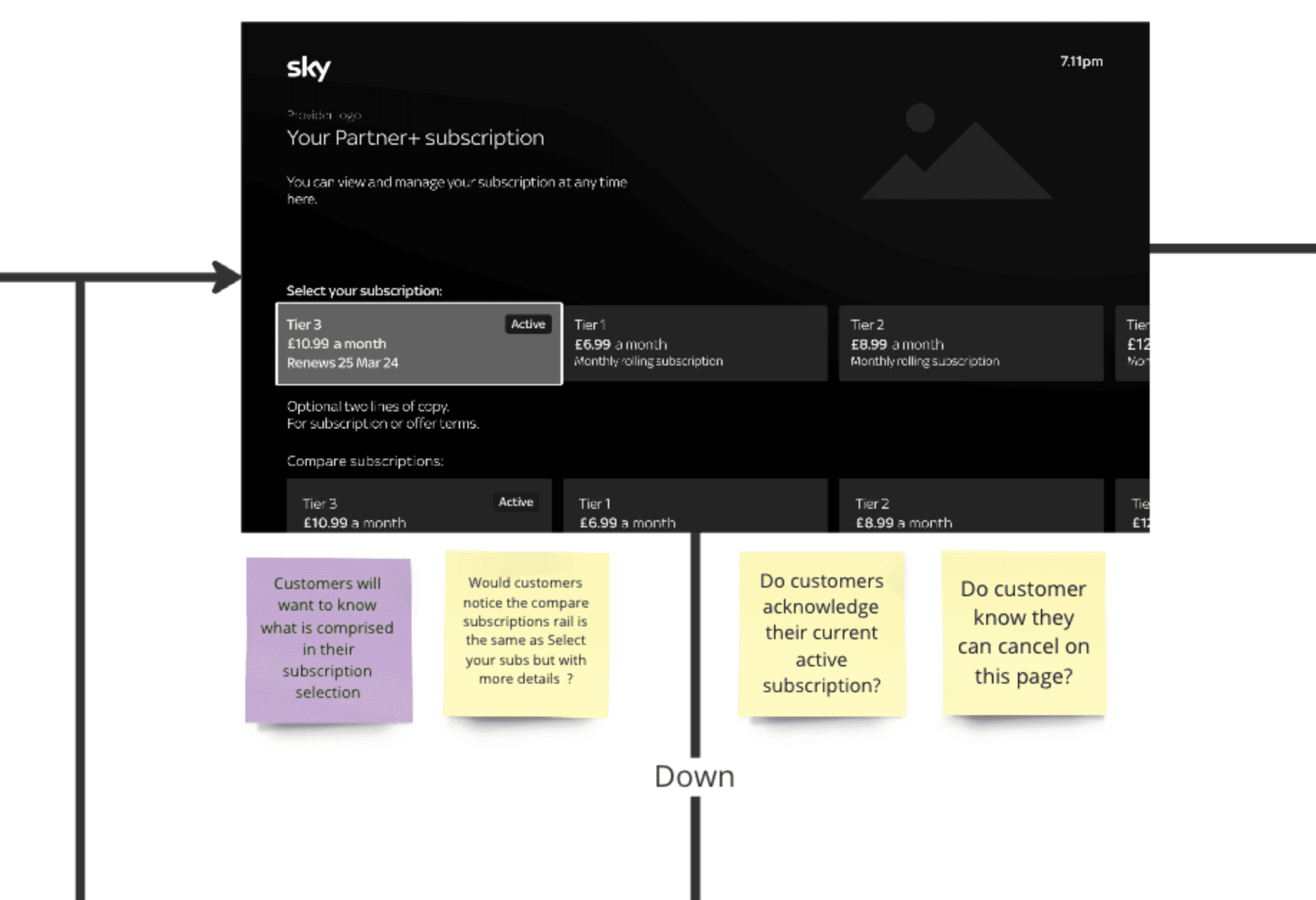
With the existing template, a customer could select from either the 1st rail (Choose your subscription) which showed high-level info i.e. price or navigate down and select from the second rail (Compare plans) which showed more detailed info of each tier.
🔍Insight
This interaction felt redundant and cognitively heavy. However, limited flexibility in the current Commerce templates restricted optimisation.
✅Action
I documented the constraint and secured Product & Design Director level support to revisit templates in future, ensuring scalability and improved UX.
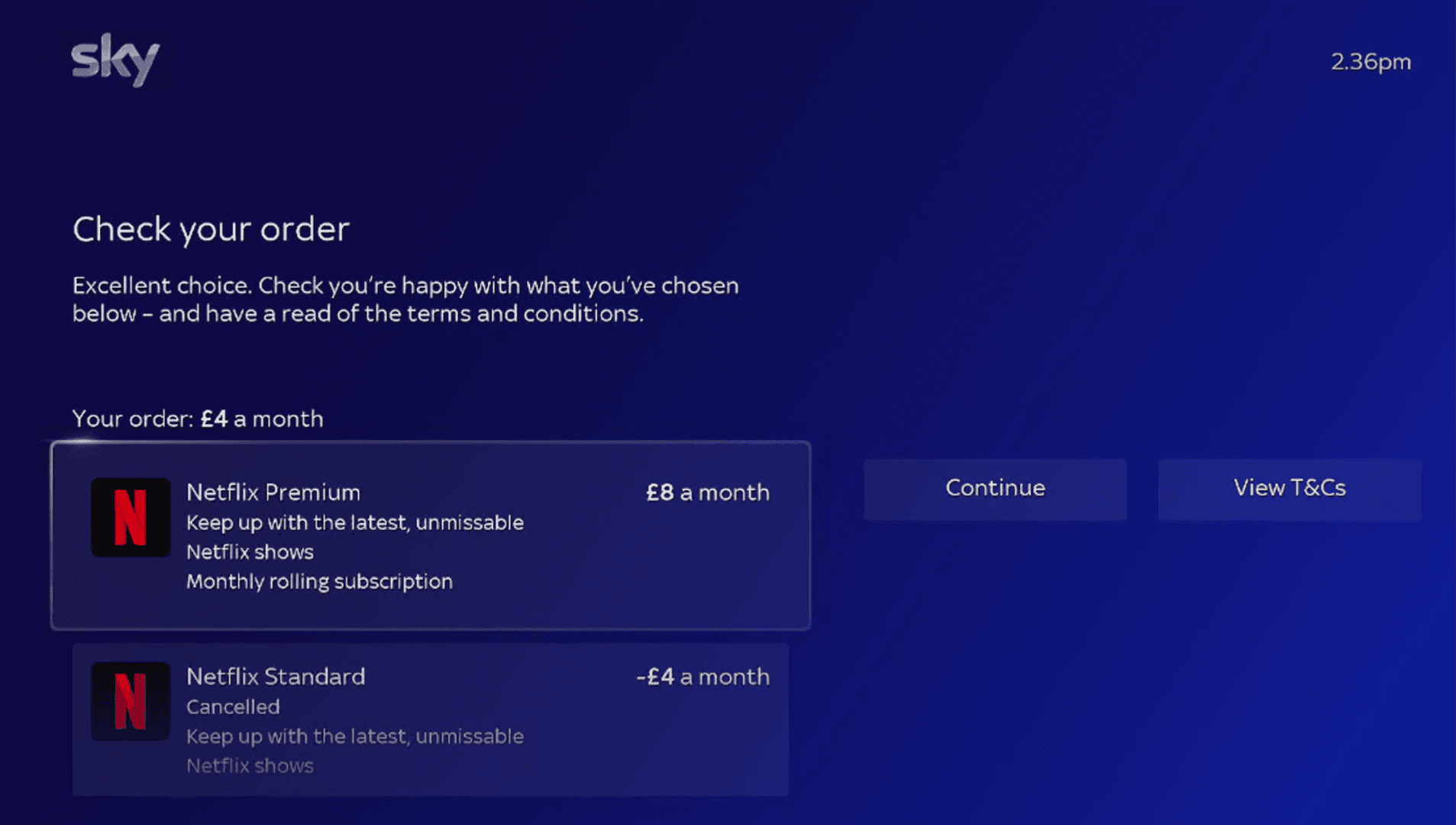
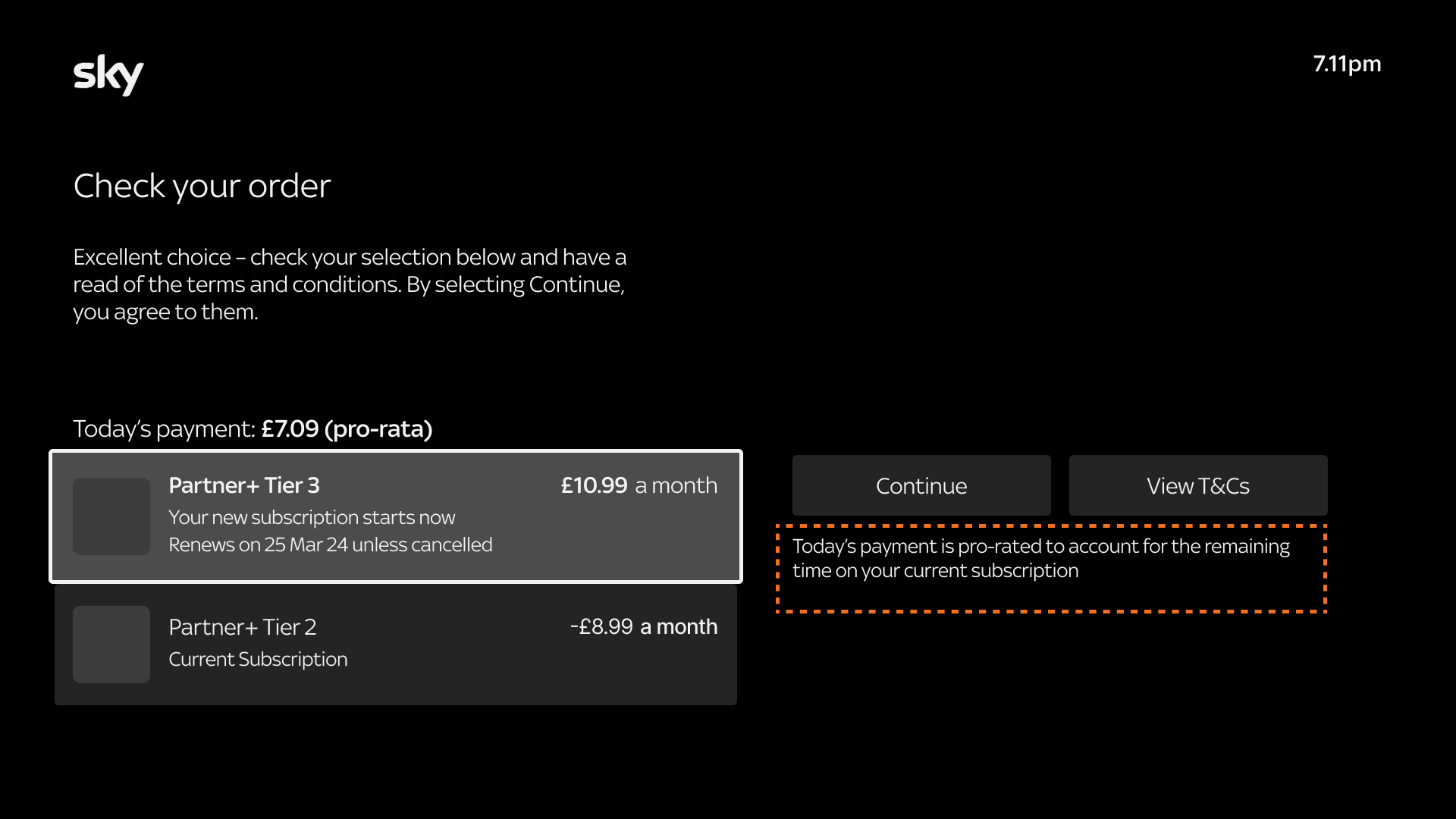
Reducing Friction with Clearer Order Summary Copy & UI alignment
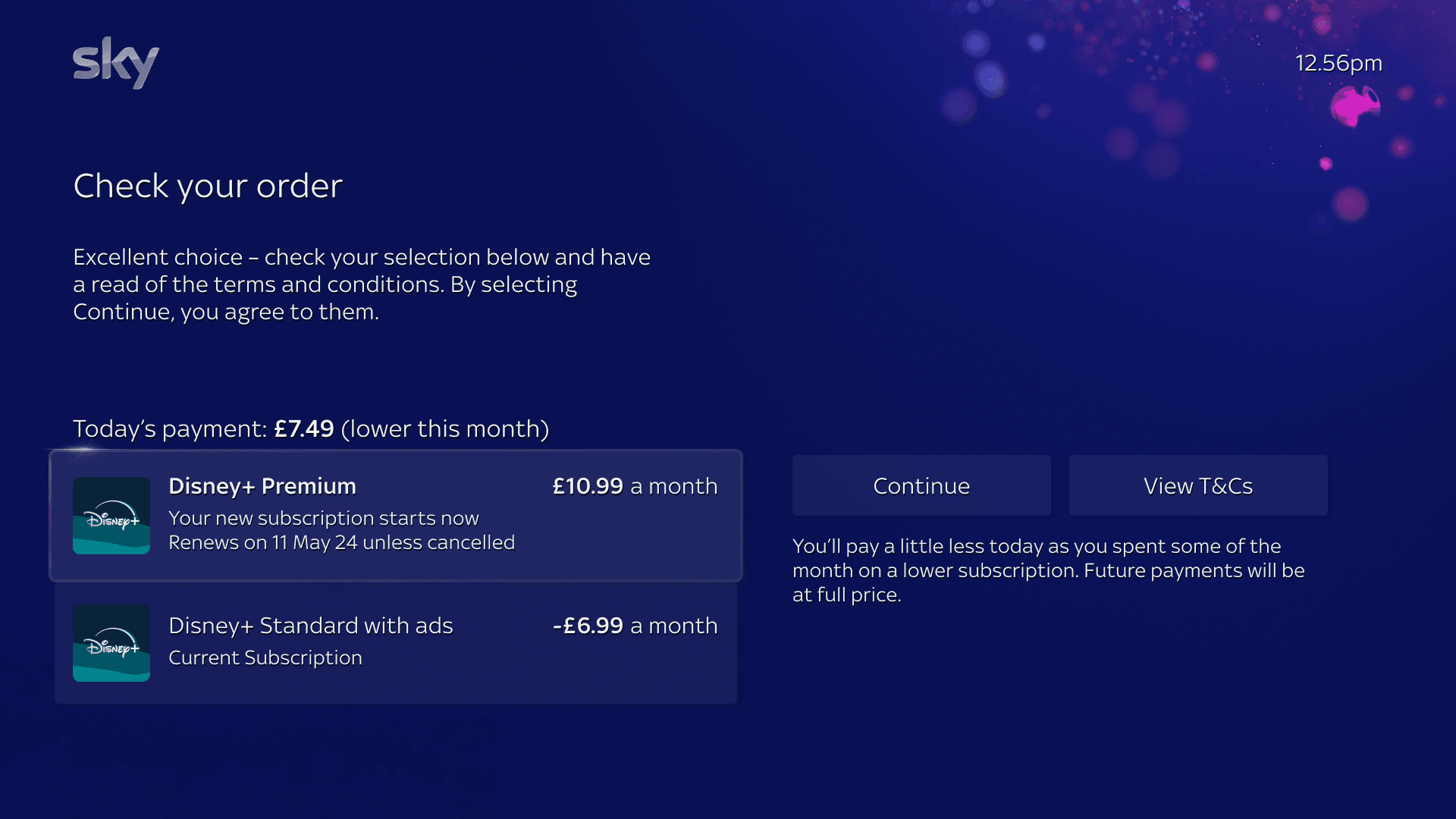
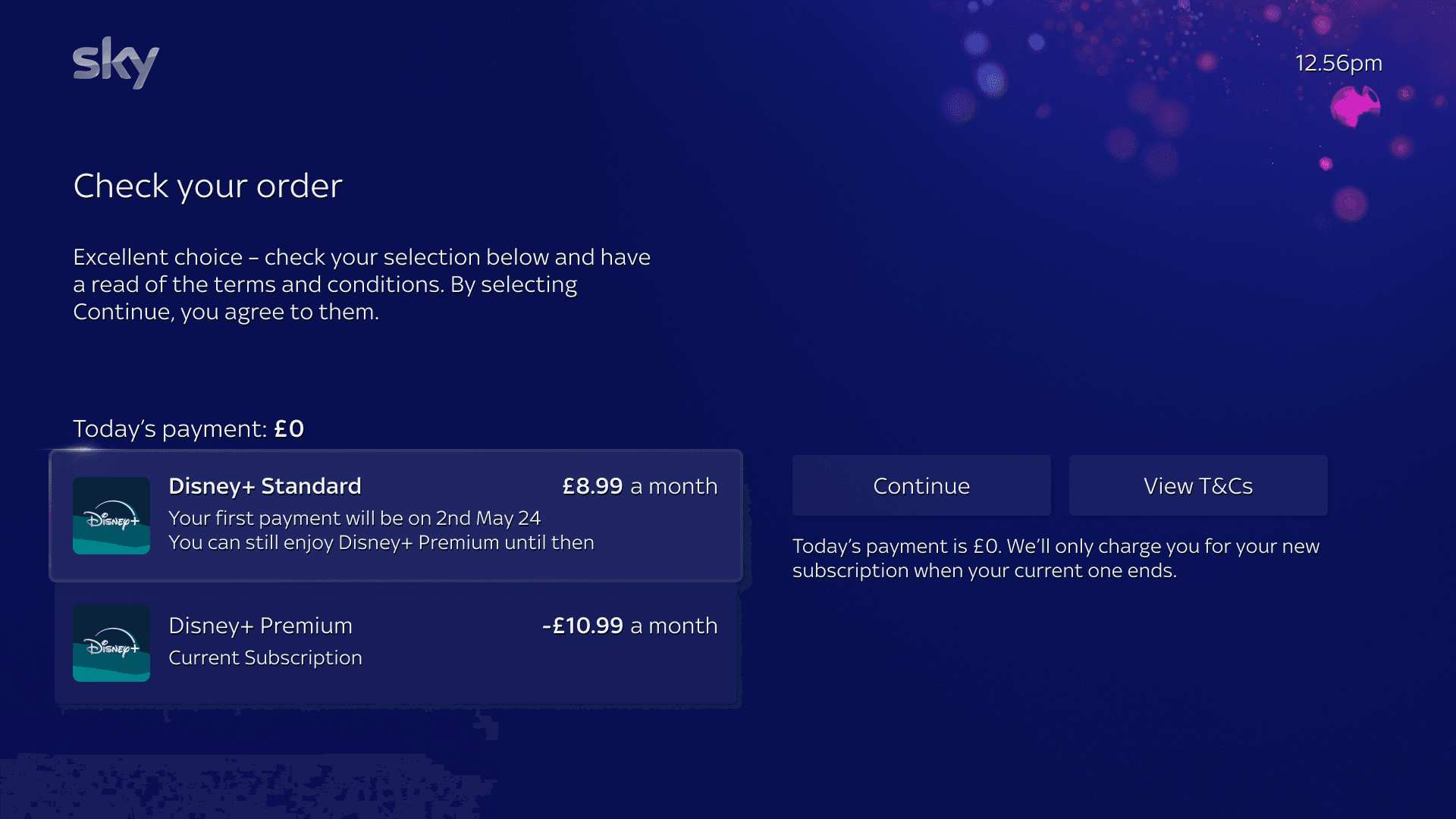
In Scenarios like pro-rated upgrades or downgrades, the today's payment amount may differ from the basket amounts.
🔍Insight
This could create confusion for customers during Check Out - a critical point in the purchase journey.
✅Action
Refined Order Summary copy to clarify payment differences and redesigned the page to align with Glass UI standards (Consistency and Standards). This aims to reinforce user trust and familiarity during the purchase flow.
Post-Purchase Flow Optimised for Immediate Value
🔍Insight
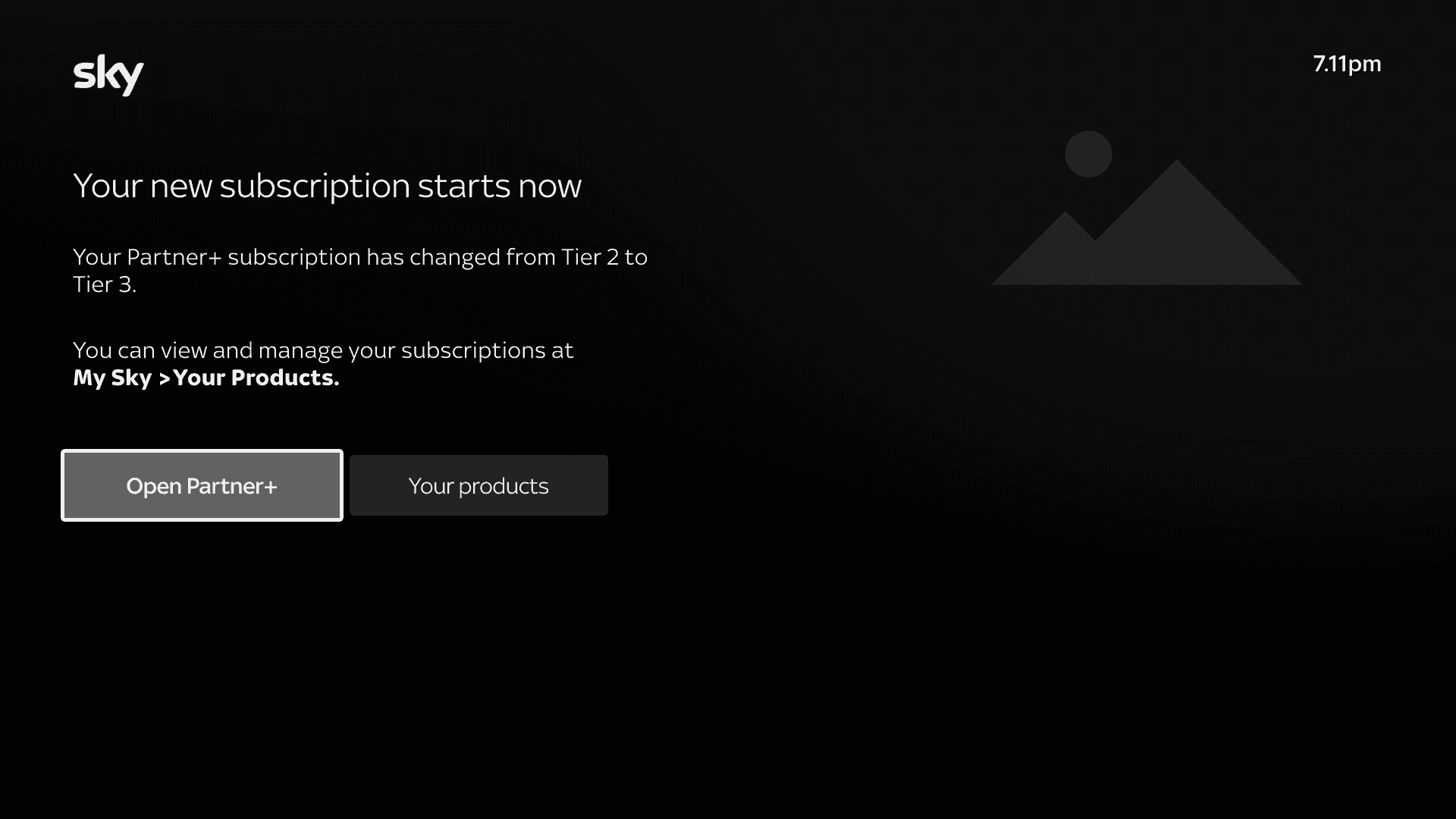
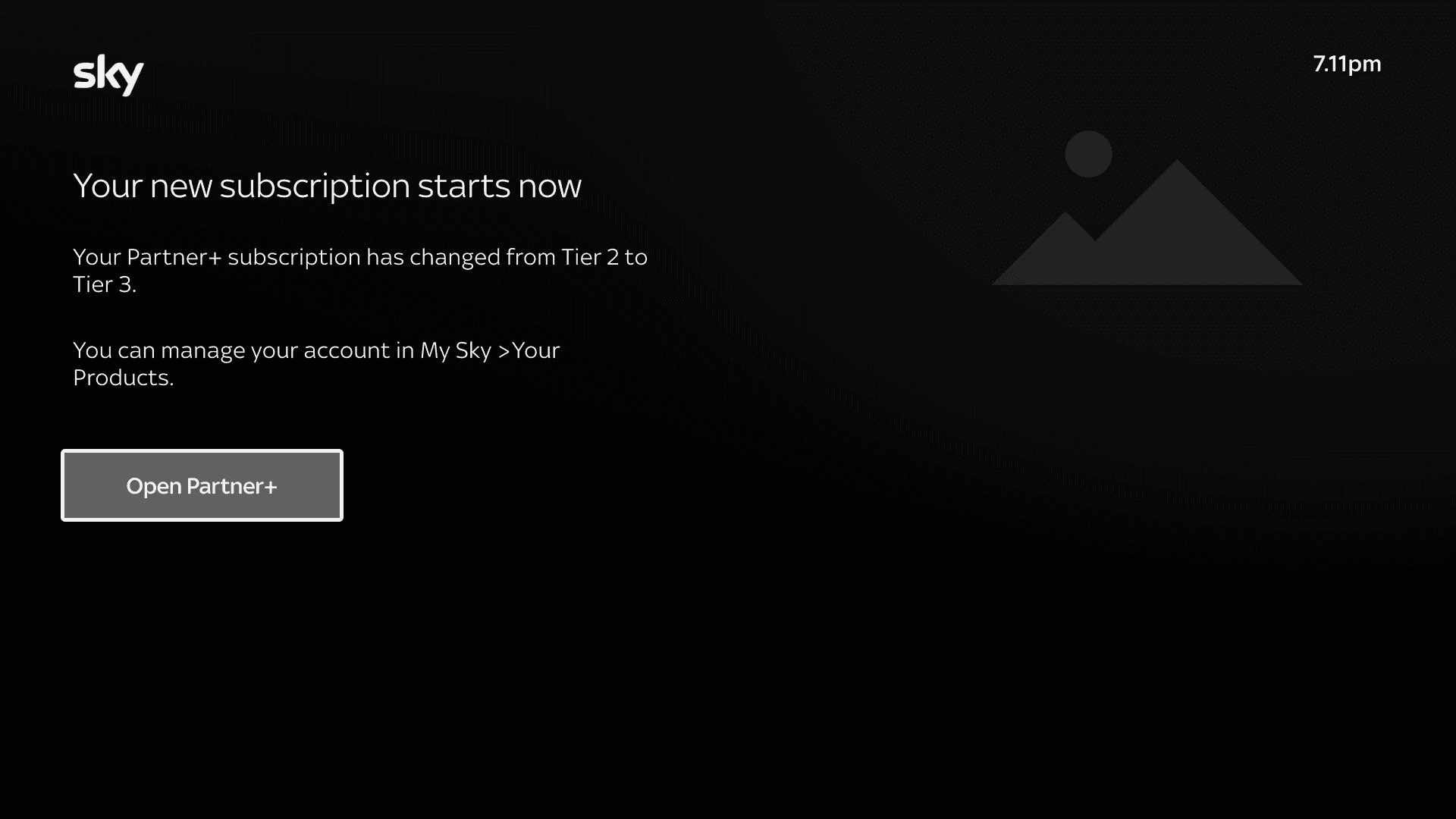
An earlier proposal included a post-purchase link back to 'Your Products'. However, post-purchase, a customer's priority is accessing content so redirecting to subscription management risked unncessary friction.
✅Action
Redesigned the flow to take users directly to their content, meeting their immediate need (Aesthetic & Minimalist design).
Introduced a Retention Journey
🔍Insight
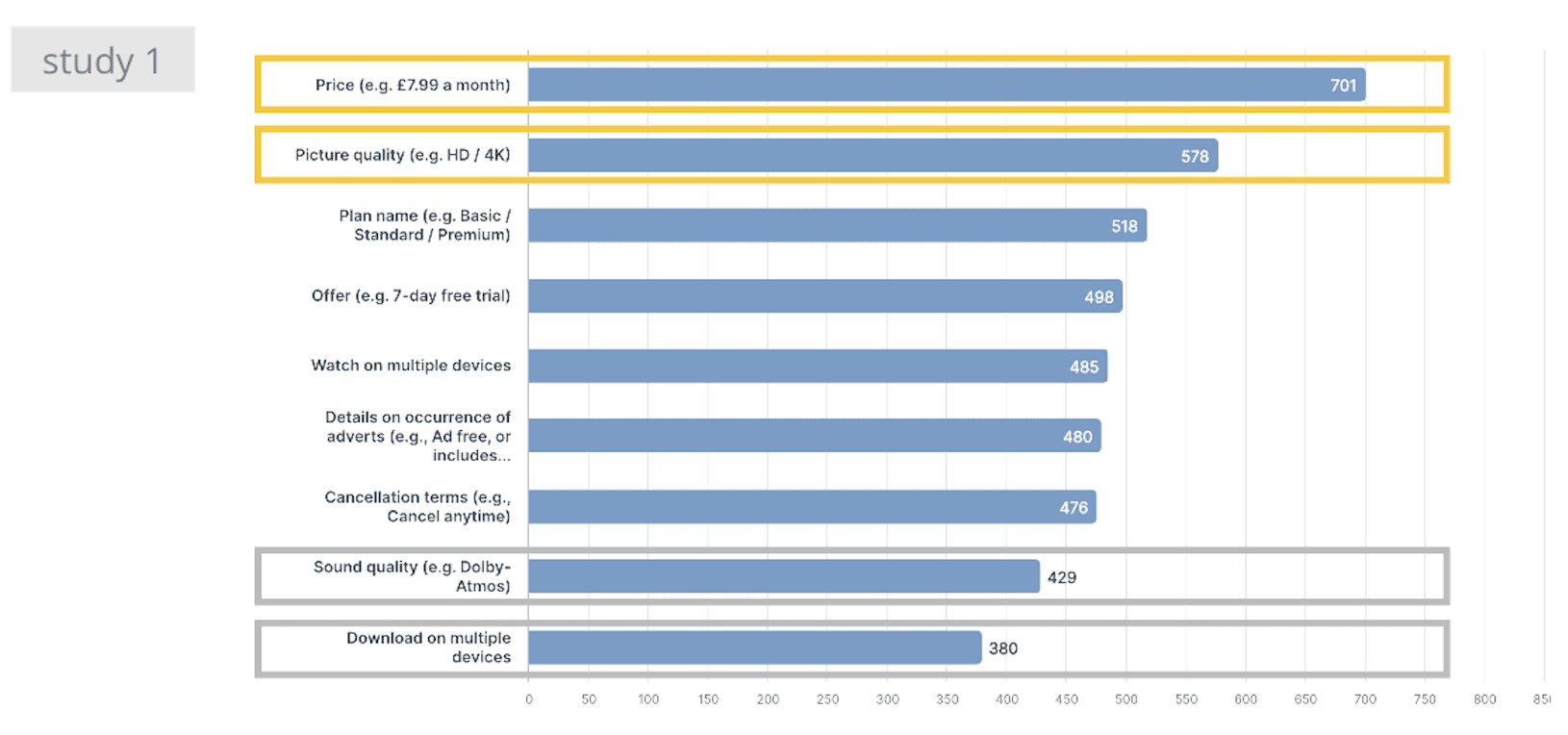
Prior unmoderated testing revealed how customers prioritised tier features. Our current 3-step cancellation journey lacked a retention journey.
✅Action
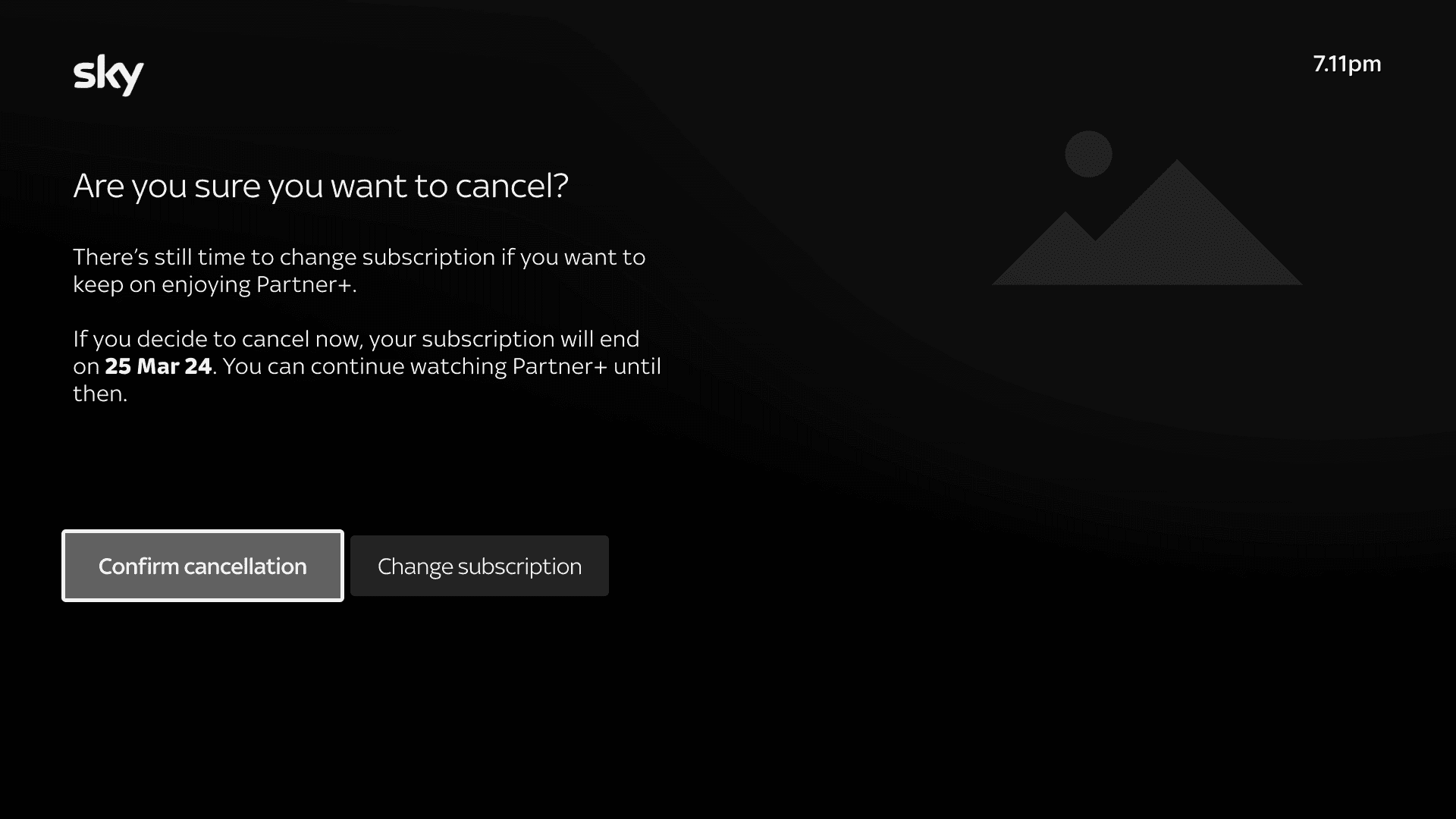
Introduced a targeted retention screen tailored to user priorities: price savings for higher tiers, and content access for the lowest tier.
Reducing friction for Sky Q legacy customers
🔍Insight
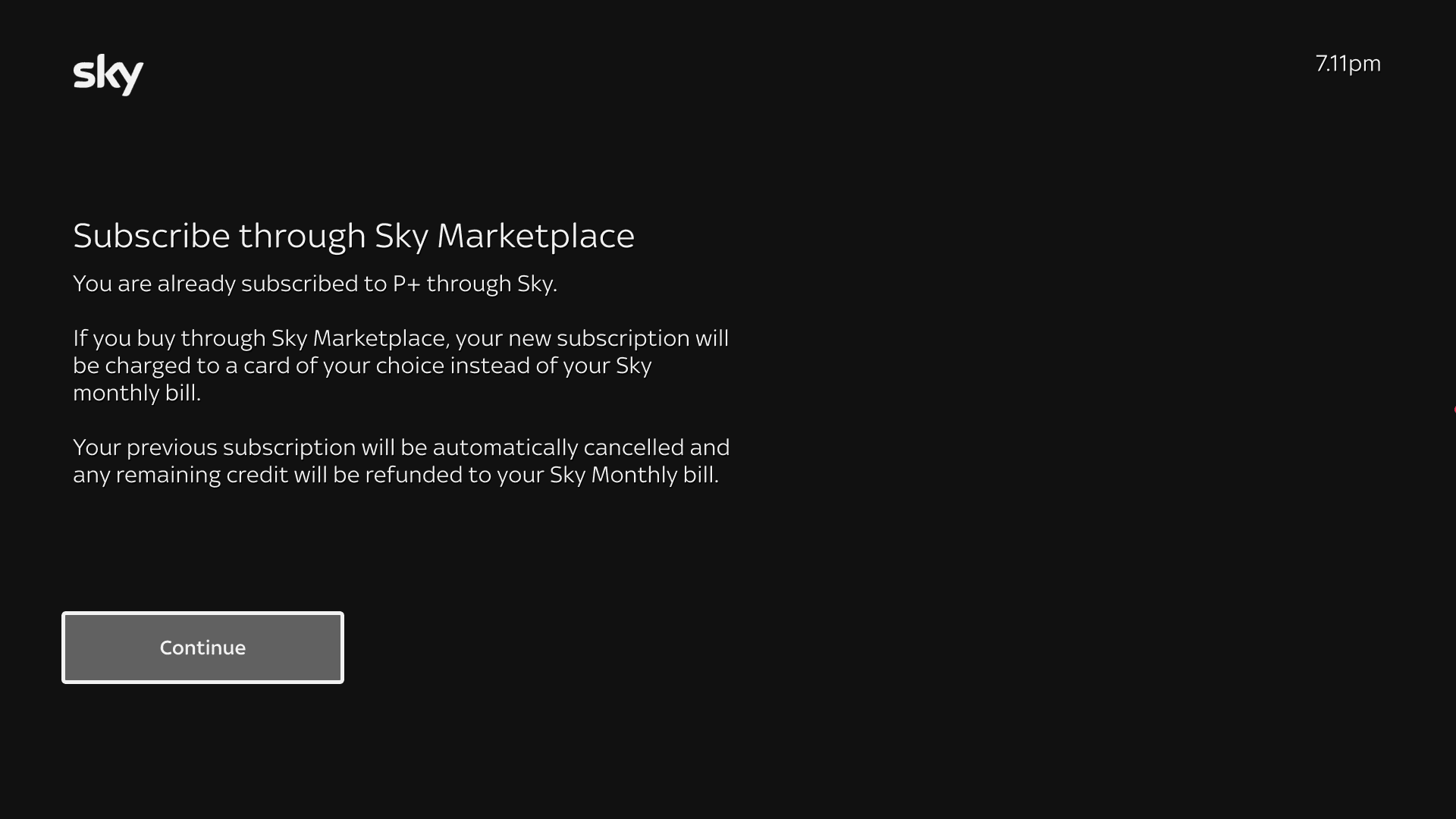
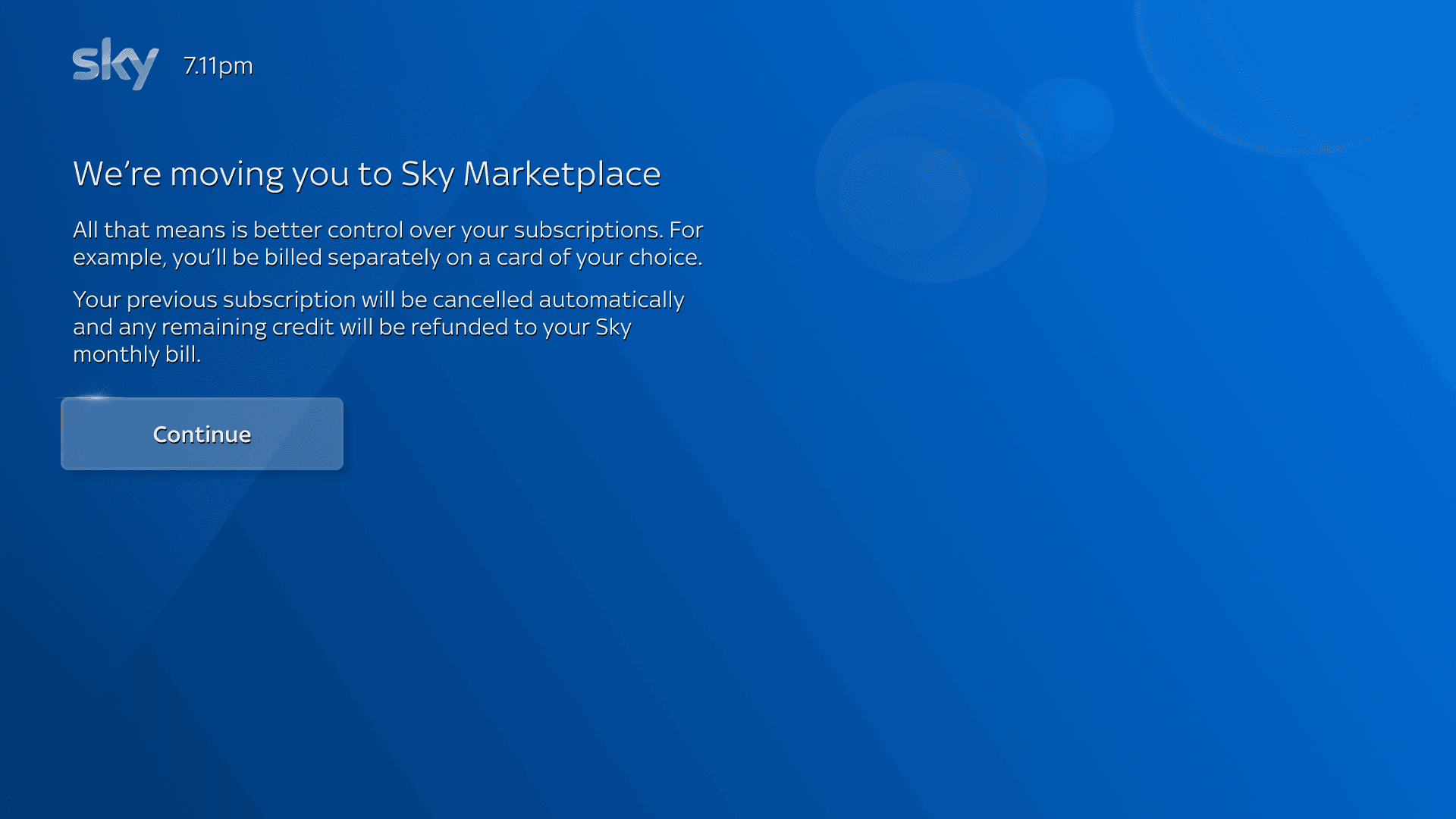
14% of users on Sky Q face friction when purchasing on App Marketplace (AMP) for the first time. Previously, they could subscribe via their Sky bill but AMP purchases requires inputting a new payment card. Our Sky Q customers experience this flow with no guidance and with their expectations not managed.
✅Action
Proposed a Q-Legacy intercept screen after tier selection and before order summary to set expectations, improve clarity, and reduce friction.
Contextualising the Activation process
🔍Insight
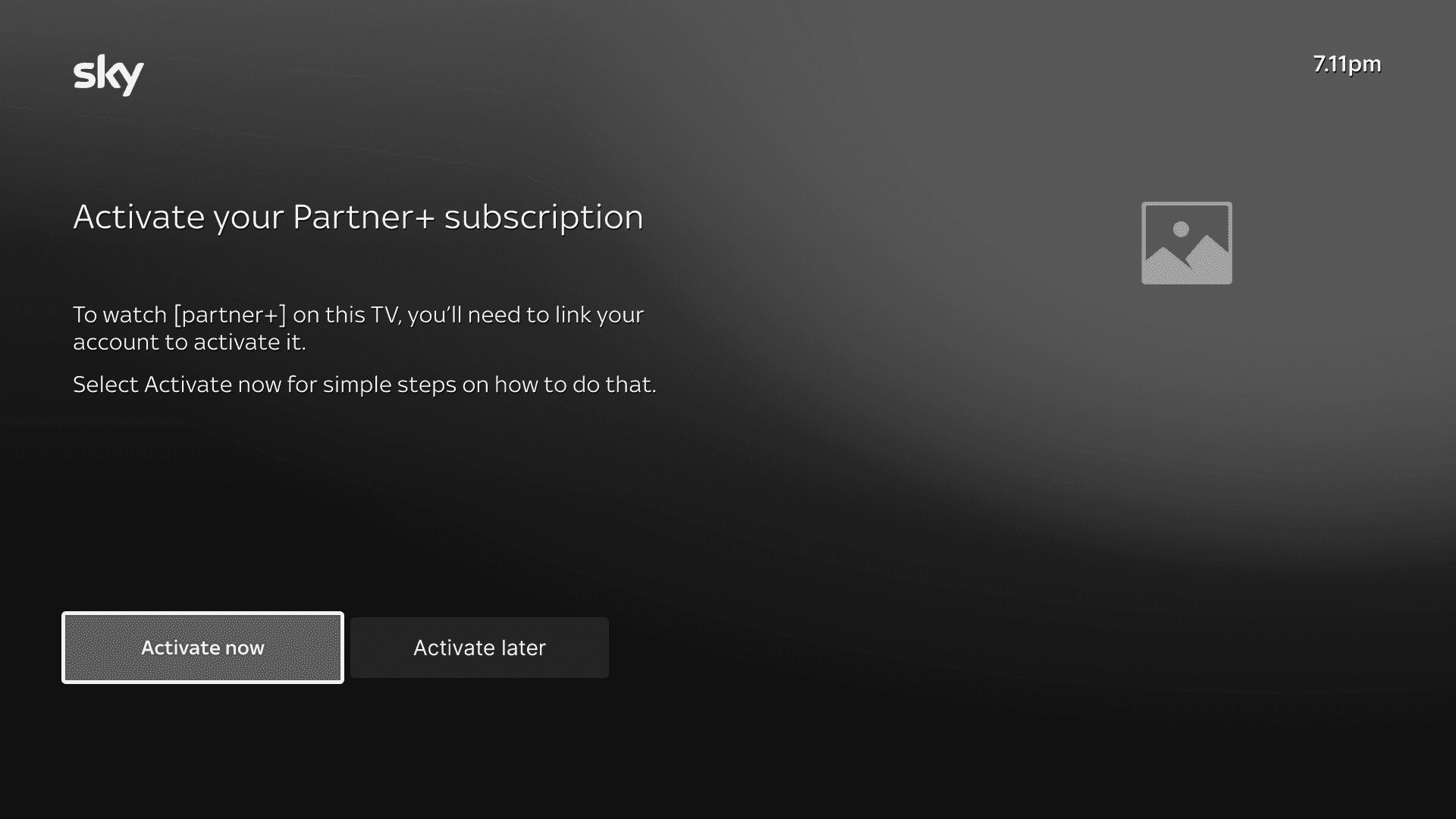
Activation rates were stalled at 11.9%. Device switching and lack of clarity around activation benefits are main friction points.
✅Action
I designed an intercept screen for when a customer intended to change their subscription (upgrades/downgrades) which aimed to provide immediate context, reinforce value and encourage completion of activation.
I validated this proposal with Product and Commercial to safeguard our sales flows. This was green-lit to be included in the project scope.
Created a New Way of Working: Scenario Mapping
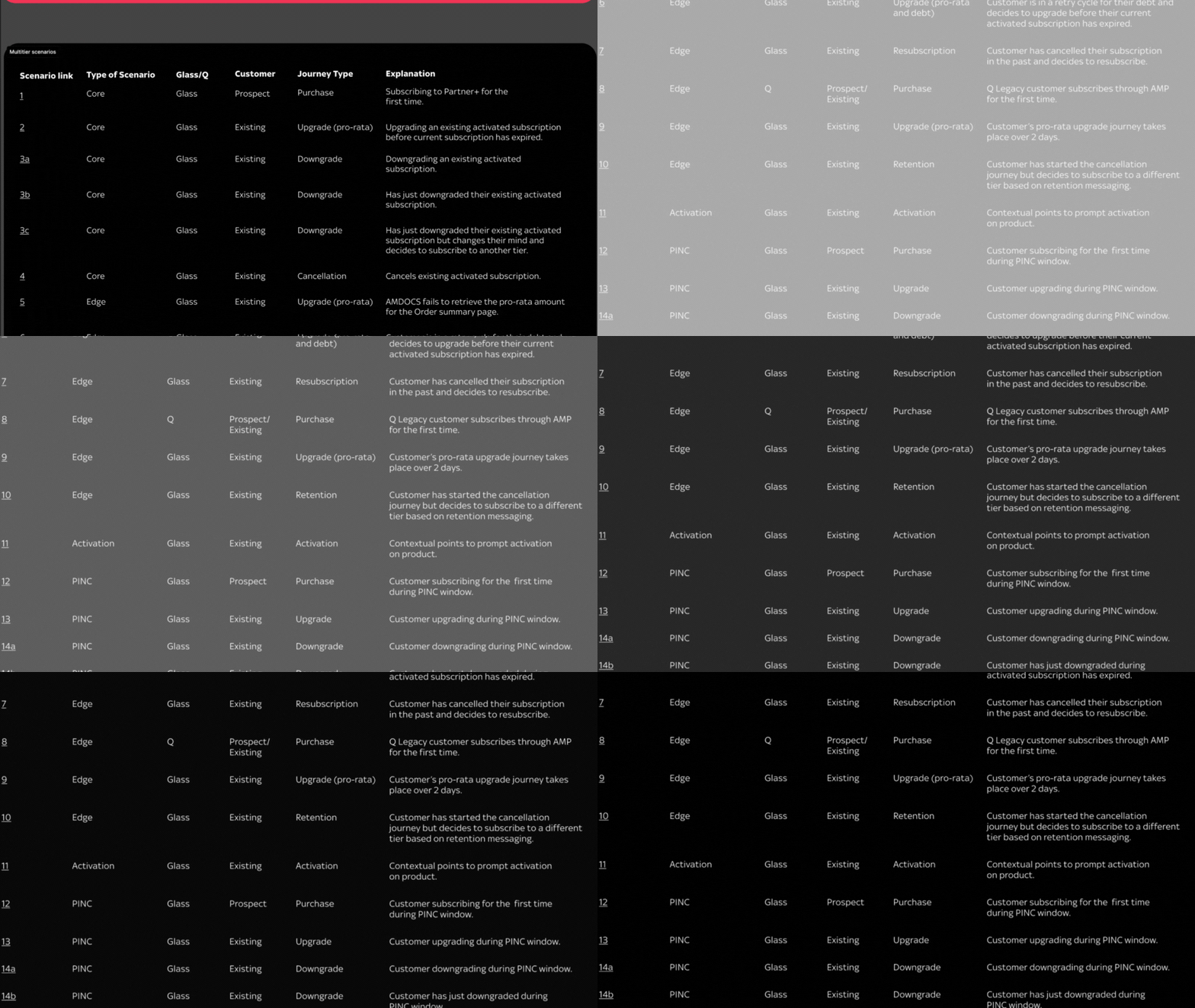
As new edge cases emerged (e.g. upgrades before expiry or while Sky account is in arrears), I created a scenario mapping system in Figma to centralise this logic, track scenarios, and clearly communicate implications. This ensured team alignment and reduced risk.
Testing Round 2: Unmoderated
While earlier research focused on feature ranking, I set out to evaluate the intuitiveness of comparing tier features and uncover further opportunities to optimise.
Partnering with UXR, we defined objectives to uncover barriers in tier migration, assess impressions of the cancellation flow, improve the Q-to-AMP transition and explore refinements across Multitiers.
With limited research capacity and tight timelines, we ran a self-serve unmoderated study.
I collaborated with the Product Manager and UX Copywriter to define three flows to be tested with 8 participants
• Upgrade
• Downgrade & Cancellation
• Q-Legacy
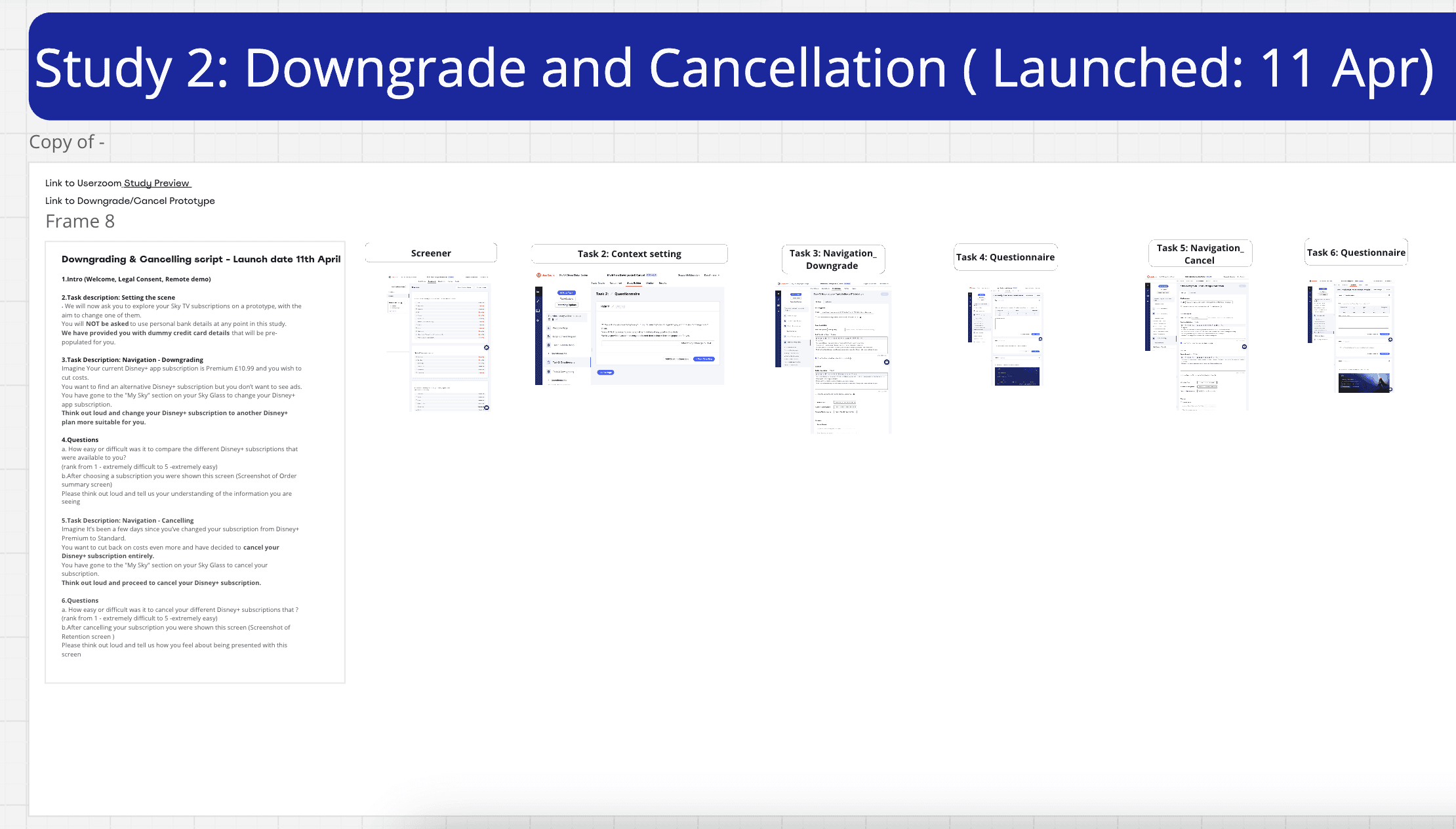
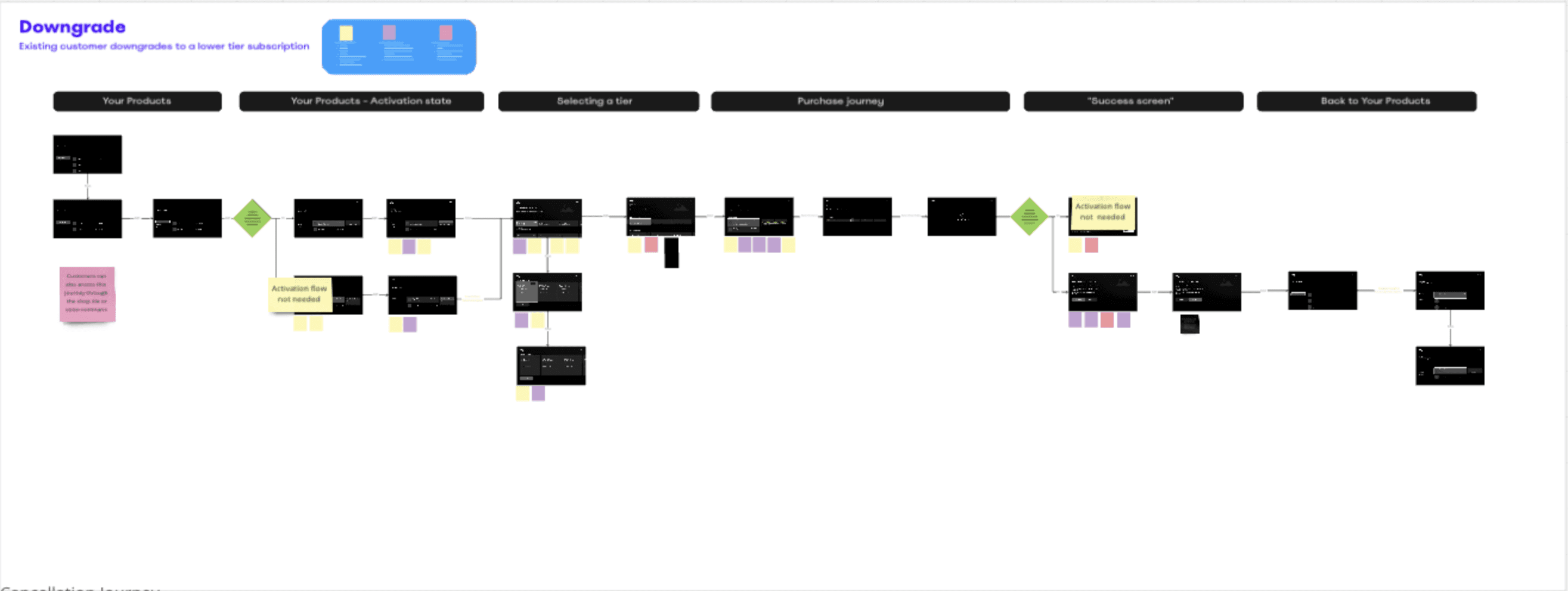
Participants completed tasks while thinking aloud, with sessions recorded for review. I analysed the recordings, capturing key behavioural and verbal insights, then synthesised them into high-level findings for each task - forming the basis for design recommendations.
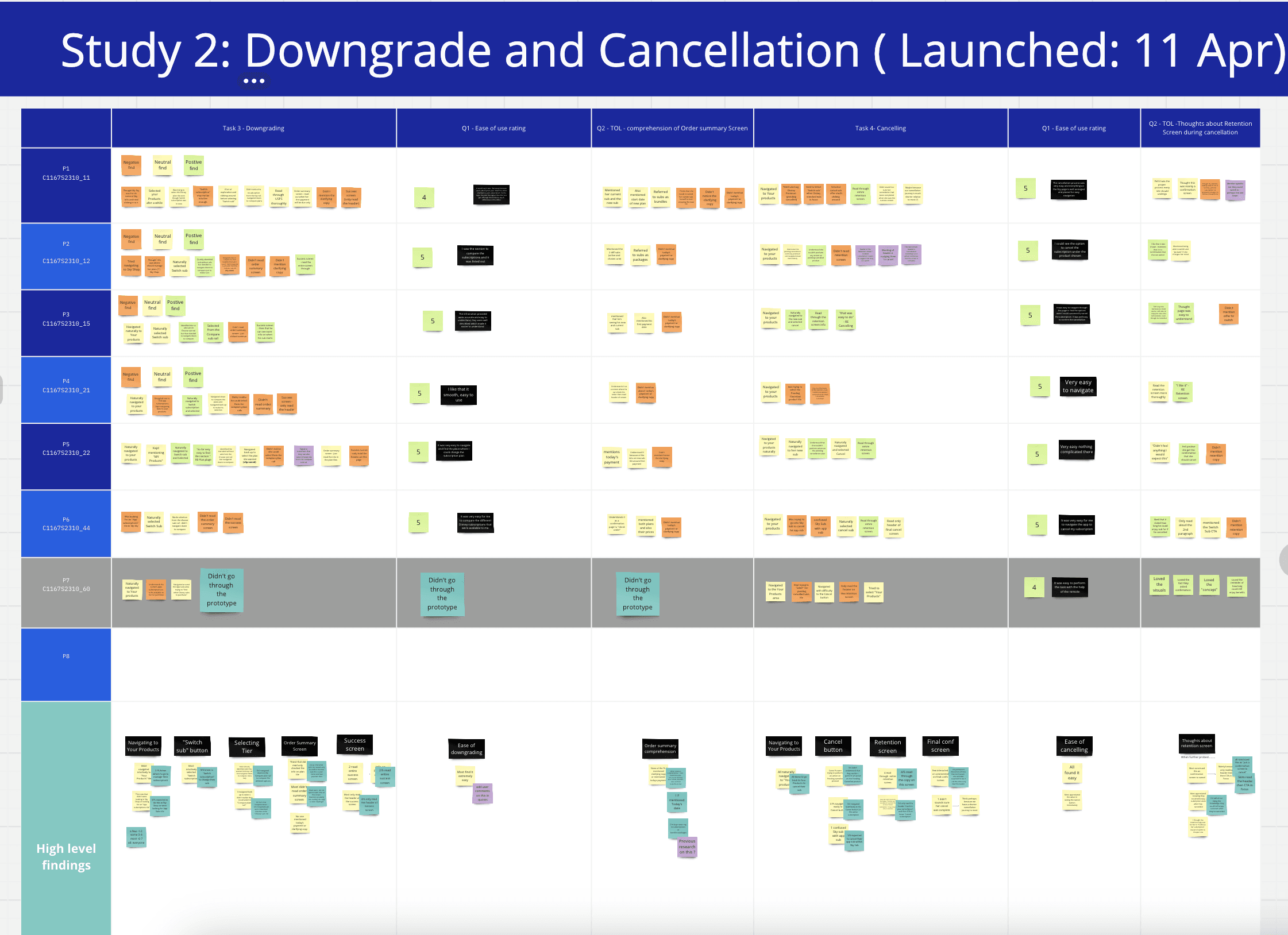
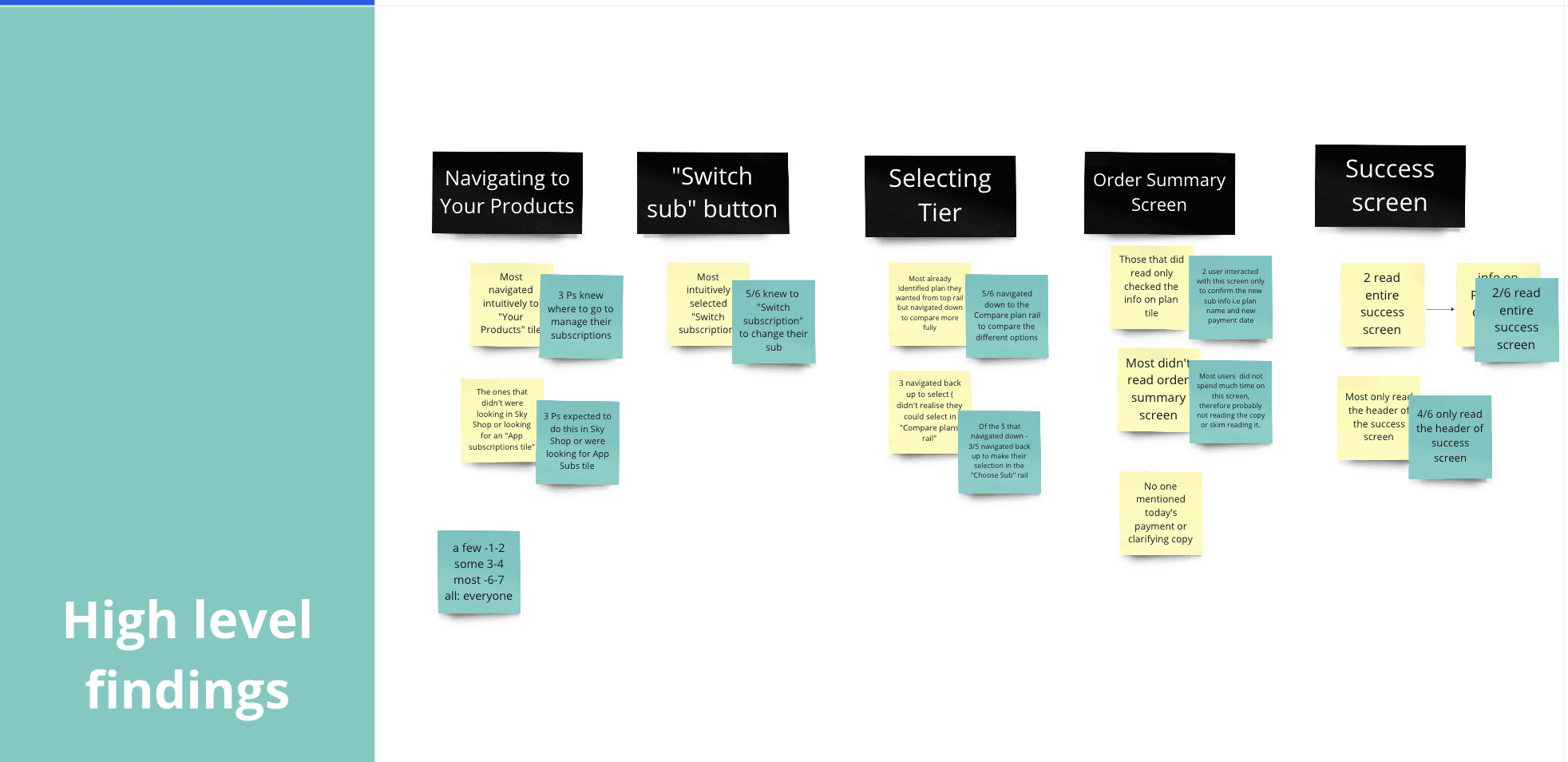
Executive Summary of Insights (Across all 3 studies)
Multi-tiers screen
💡 The top rail is the primary decision point, even when comparison information is available
"How do participants interact with this screen?"
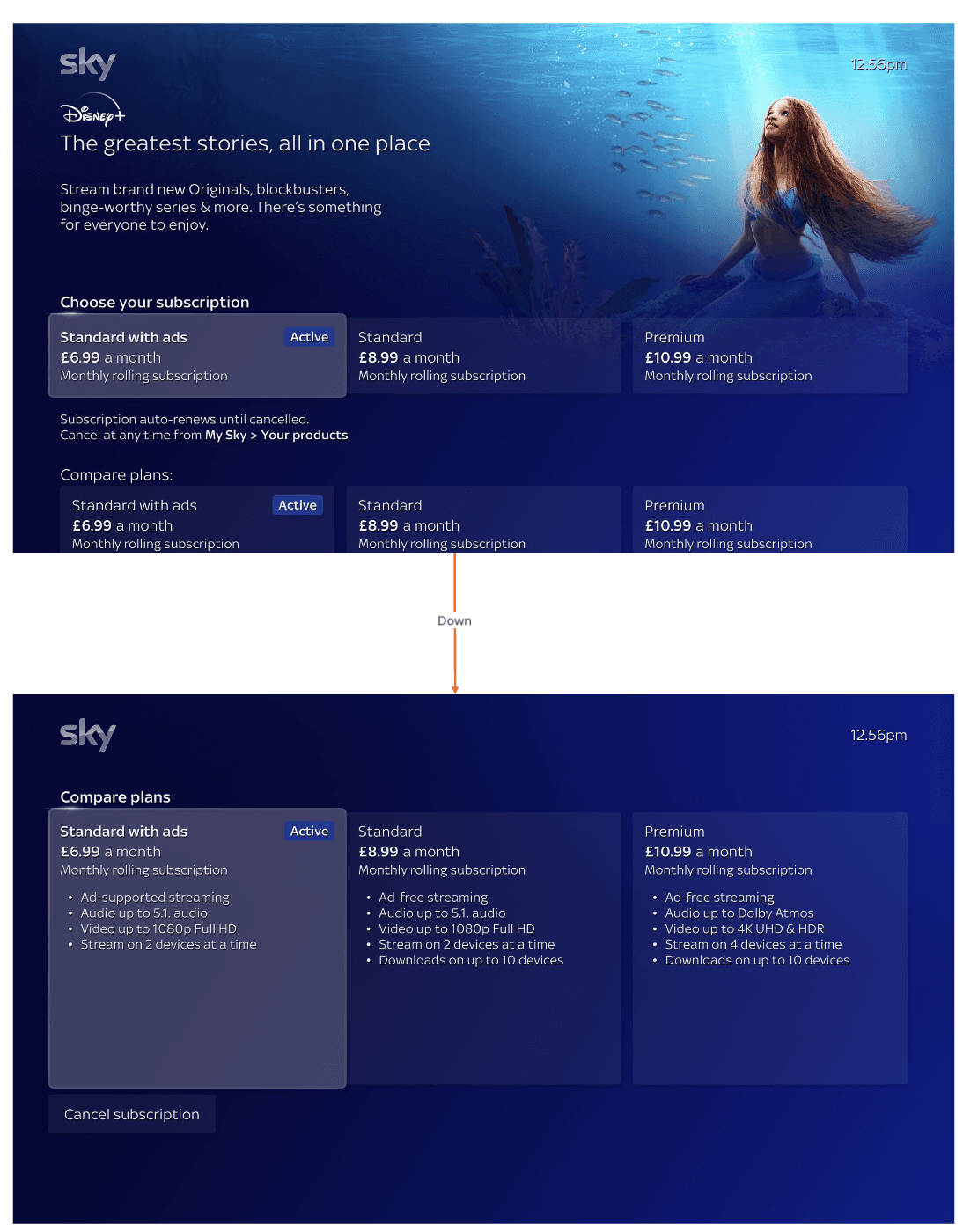
85% of participants selected directly from the first rail without comparing. The 15% who navigated down to compare returned to the first rail to select (Participants didn't realise they could have selected from the 2nd rail)
"How easy or difficult was it?"
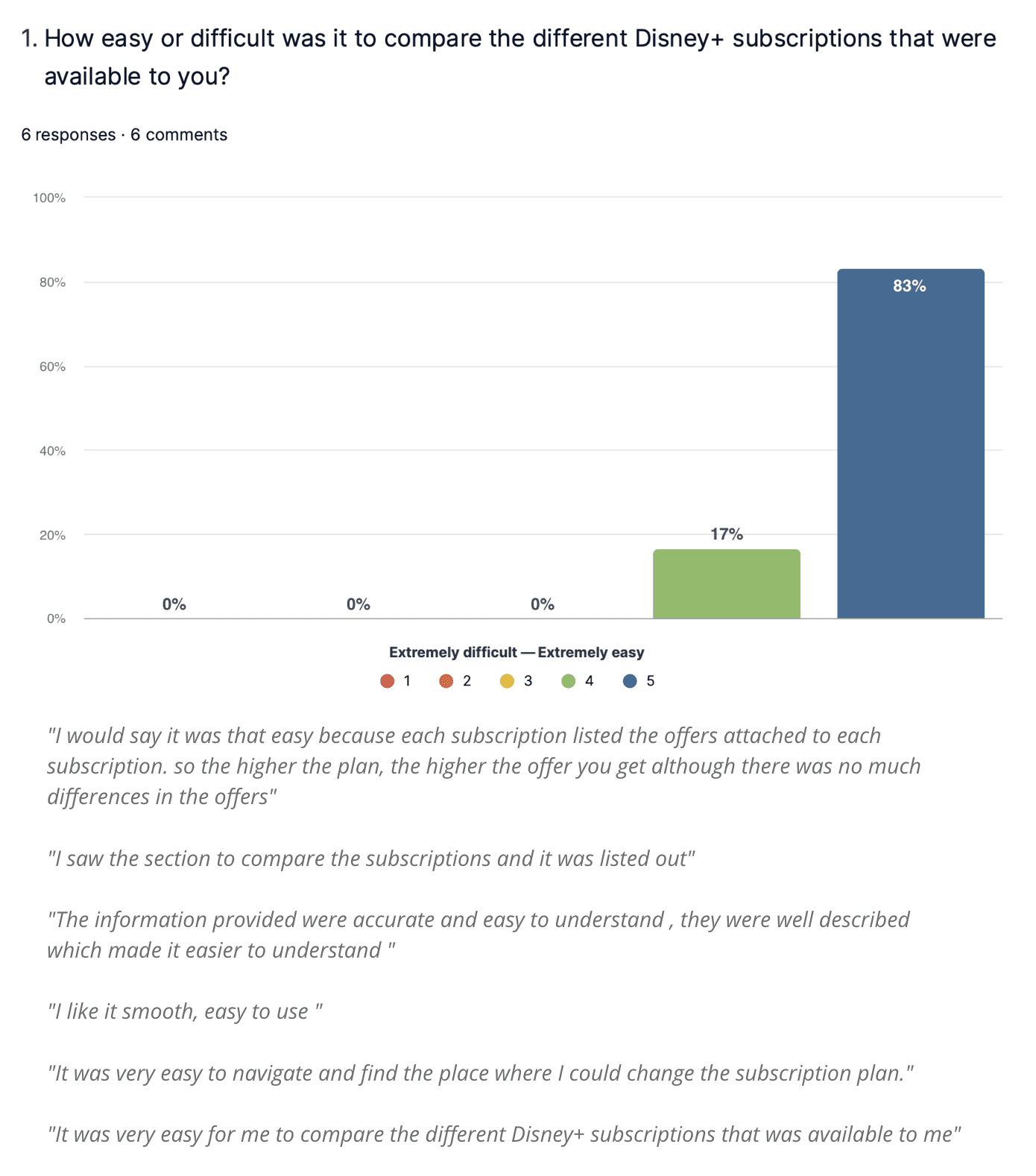
🔍Findings were caveated: most participants chose directly from the top rail, suggesting decisions may have been driven primarily by price comparison.
Order Summary Screen
💡 Clarity was present but not immediately surfaced in the initial scan of the Order Summary screen
"Do customers need further clarification around Today's payment figure?"
For pro-rated upgrades and downgrades, 90% of participants skimmed the Order Summary, likely due to high cognitive load. When prompted to revisit, 80% correctly understood why today’s payment differed from the subscription charge.
Q-Legacy intercept screen
💡 High cognitive load on the Q-Legacy intercept screen
"What is participant comprehension of their status?"
87% skimmed through this screen (only read the header and CTA label)
Insights to Future vision
After analysing the data, I presented findings, user flows, and recommendations to Product, Senior Leadership, and Commercial teams; aligning on insights, validating proposals, and refining design direction.
Participant behaviour on the multi-tier page reinforced the need to revisit our templates.
While most feedback centred on copy, I also envisioned how the Multi-tiers page could evolve if Commerce templates were redesigned in future.
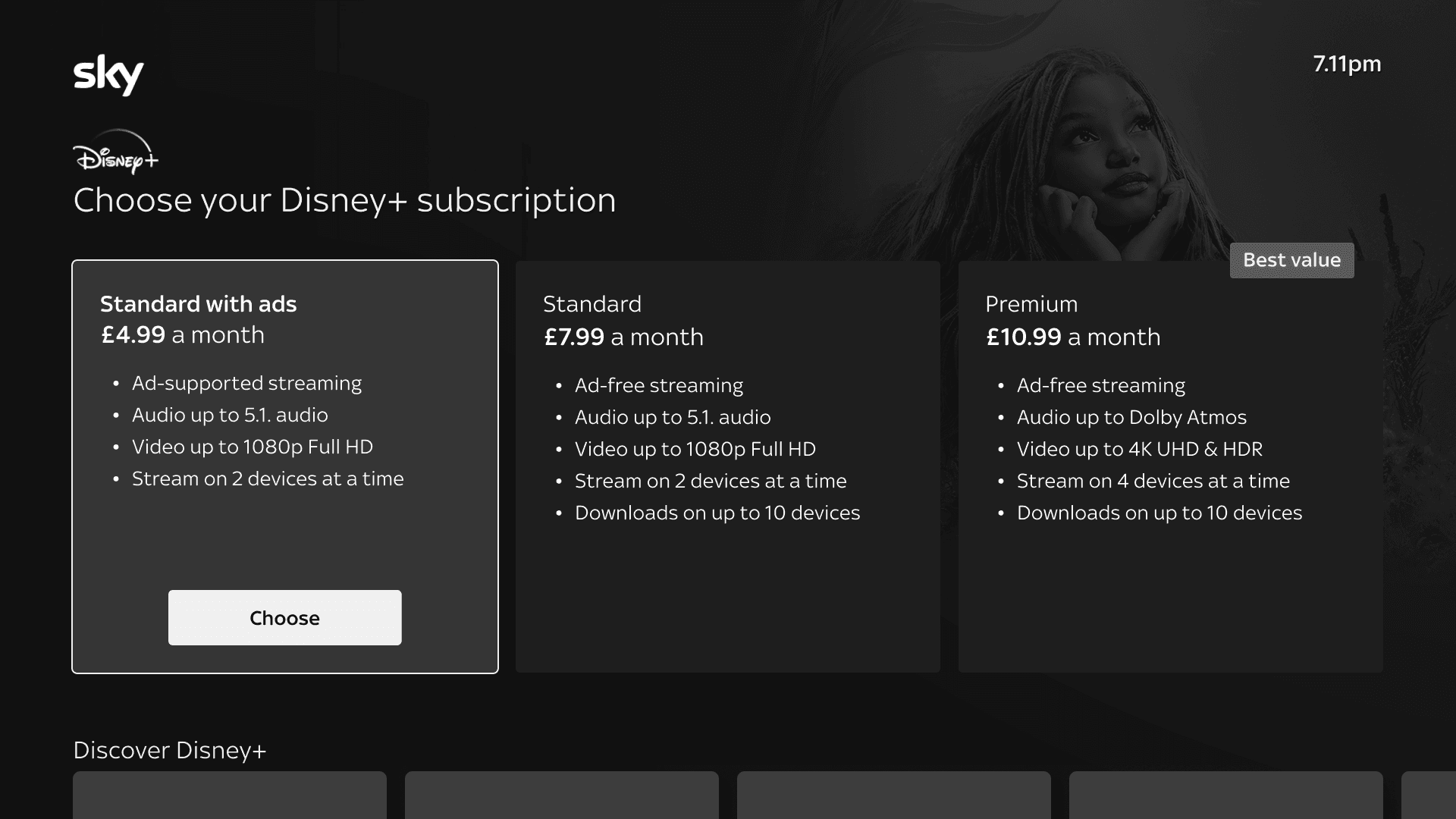
• Consolidate tiers into a single rail for easier comparison and selection
• Apply psychological pricing (e.g. anchoring, social proof) to guide decisions
• Use clear CTAs to prompt action
• Introduce a secondary rail to showcase Partner content (e.g. Discover Disney+), reinforcing subscription value
Demo of the redesigned experience
Reflection
This project required deep stakeholder alignment, balancing business goals with legal, commercial and marketing input to deliver the strongest possible user experience within existing constraints.
Despite introducing more contextual journeys, activation rates saw only a modest shift; prompting a note for future research into user sentiment around activation.
Key takeaways
🔑 Questioning the limits of existing Commerce templates prompted Senior Leadership discussions about building more scalable, flexible systems
🔑 To manage complex edge cases, I developed a scenario mapping process that strengthened collaboration with Engineering, led to invitations to their stand-ups and QA walkthroughs, and is now embedded in our department’s design toolkit.